
Answers to Common Frequently Asked Home Inspection Questions

Buying or selling a home can feel overwhelming. One of the most important steps in this process is the home inspection. I want to help you feel confident and informed by answering some of the most common questions I hear about home inspections. Whether you’re a first-time buyer, a seasoned homeowner, or an investor, understanding what to expect can make a big difference.
What Are Frequently Asked Home Inspection Questions?
I often get asked similar questions from clients, so I decided to gather the most frequent ones here. These questions cover everything from the basics of what a home inspection includes to how to interpret the results. Knowing the answers will help you prepare for your inspection and understand the report you receive afterward.
Here are some of the top questions I hear:
What does a home inspection cover?
How long does an inspection take?
Do I need to be there during the inspection?
What if the inspector finds problems?
Can a home inspection guarantee the condition of the house?
I’ll answer these and more in the sections below.

How Thorough Is a Home Inspection?
A home inspection is a detailed visual examination of a property’s major systems and components. I check the roof, foundation, plumbing, electrical systems, HVAC, windows, doors, and more. The goal is to identify any existing or potential issues that could affect the safety, functionality, or value of the home.
Keep in mind, a home inspection is not a code compliance check or a guarantee that everything is perfect. It’s a snapshot of the home’s condition on the day of the inspection. For example, I might find a small leak under the sink or signs of wear on the roof shingles. These findings help you decide if repairs are needed or if you want to negotiate with the seller.
The inspection usually takes 2 to 3 hours, depending on the size and condition of the home. I encourage clients to attend so they can ask questions and see issues firsthand.
What's the Worst Thing a Home Inspector Can Find?
Sometimes, the things I find during an inspection can be serious. The worst issues usually involve structural damage, major electrical hazards, or hidden water damage. For example, a cracked foundation or faulty wiring can be costly and dangerous.
If I discover something like this, I explain the problem clearly and recommend getting a specialist for a more detailed evaluation. It’s important to know that finding a serious issue doesn’t mean you should walk away immediately. Instead, it gives you the power to negotiate repairs or adjust your offer.
Other common serious findings include:
Mold or mildew in hidden areas
Roof leaks or damaged shingles
Plumbing leaks that could cause flooding
HVAC systems that are near failure
These problems can be fixed, but you want to be aware of them before you commit to buying.

How Should I Use the Home Inspection Report?
After the inspection, I provide a detailed report with photos and descriptions of any issues. This report is your guide to understanding the home’s condition. I recommend reviewing it carefully and prioritizing repairs based on safety and cost.
Here’s how to make the most of your report:
Focus on safety issues first. Electrical hazards, gas leaks, and structural problems should be addressed immediately.
Consider the cost of repairs. Some fixes are minor and inexpensive, while others may require professional contractors.
Use the report to negotiate. If you’re buying, you can ask the seller to fix problems or reduce the price.
Plan for future maintenance. Some issues might not need immediate attention but should be monitored.
Remember, no home is perfect. The inspection report helps you make an informed decision and avoid surprises later.
Can I Skip a Home Inspection?
I strongly advise against skipping a home inspection. It’s one of the best ways to protect your investment. Even new homes can have hidden problems. Without an inspection, you risk buying a property with costly defects.
If you’re selling, a pre-listing inspection can help you identify and fix issues before buyers see them. This can speed up the sale and reduce last-minute negotiations.
In North Fort Myers, FL, where weather and humidity can affect homes, inspections are especially important. Moisture-related problems like mold or wood rot are common here and can be costly if ignored.
What Should I Expect During the Inspection Day?
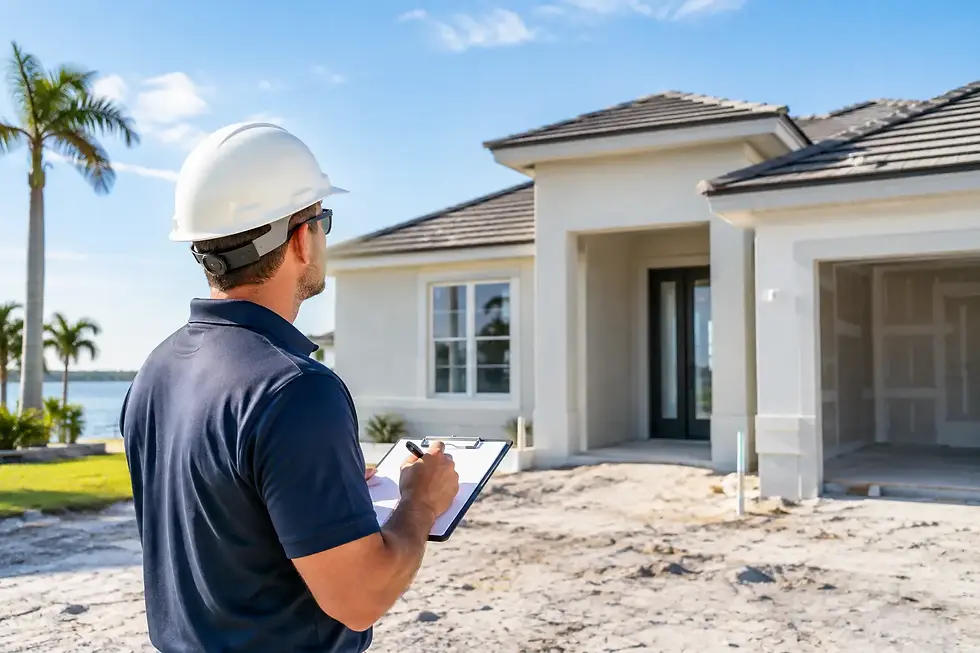
On the day of the inspection, I arrive prepared with tools and checklists. I start with the exterior, looking at the roof, gutters, siding, and foundation. Then I move inside to check plumbing, electrical systems, heating and cooling, insulation, and more.
I encourage you to walk through the home with me. This is your chance to ask questions and learn about the home’s systems. I explain what I’m looking for and point out any concerns.
After the inspection, I deliver the report within 24 to 48 hours. I’m always available to discuss the findings and help you understand what they mean.
If you want to learn more or have specific questions, check out these home inspection faqs for detailed answers.
I hope this guide helps you feel more confident about the home inspection process. Remember, a thorough inspection is your best tool for making a smart, informed decision about your property. If you’re ready to schedule an inspection or want to talk more, I’m here to help every step of the way.


Comments