
Comprehensive Guide to Inspecting Residential Properties

Buying or owning a home is a big deal. I know firsthand how exciting it can be to find that perfect place. But I also understand the worry that comes with making sure everything is in good shape. That’s where a thorough home inspection comes in. It’s your best tool to avoid surprises and protect your investment. In this guide, I’ll walk you through everything you need to know about inspecting residential properties. You’ll learn what to expect, how to prepare, and why it matters so much.
Why Inspecting Residential Properties Matters
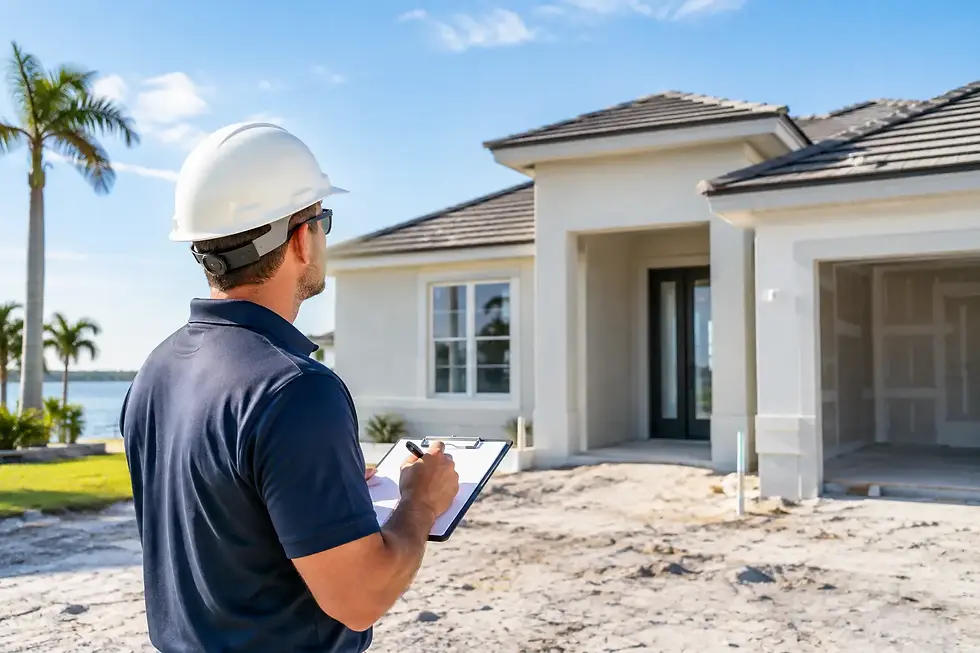
When you step into a home, it might look perfect on the surface. But many issues hide beneath walls, under floors, or in the attic. Inspecting residential properties helps uncover these hidden problems before they become costly repairs. It’s not just about finding flaws; it’s about understanding the condition of the home you want to buy or maintain.
For example, a small leak in the roof might seem minor, but over time it can cause mold or structural damage. Faulty wiring can be a fire hazard. A home inspection gives you a clear picture of these risks. It also helps you negotiate repairs or price adjustments with sellers. If you’re a homeowner, regular inspections can catch problems early, saving you money and stress.
I always recommend hiring a professional for this job. They have the tools and experience to spot issues you might miss. Plus, they provide a detailed report that you can use to make informed decisions.

What Does a Home Inspection Include?
A home inspection covers many parts of a house. Here’s a breakdown of the main areas checked during an inspection:
Roof and Gutters: Inspectors look for missing shingles, leaks, and gutter condition.
Foundation and Structure: They check for cracks, settling, or signs of water damage.
Plumbing System: This includes pipes, faucets, water heaters, and drainage.
Electrical System: Inspectors test outlets, breakers, wiring, and safety features.
Heating and Cooling Systems: They assess furnaces, air conditioners, and ventilation.
Interior Components: Walls, ceilings, floors, windows, and doors are examined for damage or wear.
Insulation and Ventilation: Proper insulation and airflow are crucial for energy efficiency.
Appliances: Built-in appliances like ovens and dishwashers may be tested.
Safety Features: Smoke detectors, carbon monoxide alarms, and handrails are checked.
Each inspection is tailored to the property’s age, style, and location. For example, homes in North Fort Myers, FL, often require special attention to humidity-related issues like mold or termite damage.
The inspector will provide a written report with photos and explanations. This document is your roadmap for repairs or maintenance.
How to Get a Free Home Inspection?
Sometimes, you might wonder if it’s possible to get a free home inspection. While most professional inspections come with a fee, there are a few ways to reduce or eliminate the cost:
Promotions by Inspection Companies: Some companies offer free inspections as part of a package deal when you use their other services.
Real Estate Agent Offers: Occasionally, agents partner with inspectors to provide free inspections to buyers as an incentive.
Home Warranty Plans: Certain home warranty providers include inspection services.
First-Time Homebuyer Programs: Local government or nonprofit programs sometimes offer free or discounted inspections.
Keep in mind that a free inspection might not be as thorough as a paid one. Always ask what’s included and check the inspector’s credentials. It’s worth investing in a detailed inspection to avoid costly surprises later.
How to Prepare for a Home Inspection
Preparing for an inspection can make the process smoother and more effective. Here’s what I suggest:
Clean and Declutter: Clear access to key areas like the attic, basement, and electrical panels.
Fix Minor Issues: Repair leaking faucets or replace burnt-out light bulbs.
Provide Documentation: Gather records of past repairs, warranties, and maintenance.
Be Present During the Inspection: Walk through with the inspector to ask questions and learn about the home’s condition.
Make a List of Concerns: Share any specific worries with the inspector beforehand.
If you’re selling a home, consider a pre-listing inspection. This helps you address problems before buyers see them, speeding up the sale process.

What to Do After the Inspection
Once you receive the inspection report, take time to review it carefully. Here’s how to make the most of it:
Prioritize Repairs: Focus on safety issues and major repairs first.
Get Estimates: Contact contractors for quotes on necessary work.
Negotiate with Sellers: Use the report to ask for repairs or price reductions.
Plan Maintenance: Schedule regular upkeep based on the inspector’s recommendations.
Keep Records: Store the report for future reference or resale.
Remember, no home is perfect. The goal is to understand what you’re dealing with and plan accordingly. A good inspection report gives you confidence and peace of mind.
Why Choose a Trusted Local Inspector?
Choosing the right inspector is crucial. A local professional understands the unique challenges of homes in North Fort Myers, FL. They know what to look for in this climate and community. I recommend looking for:
Licensing and Certification: Verify credentials and training.
Experience: Ask about years in the business and types of properties inspected.
Reviews and References: Check feedback from past clients.
Clear Communication: The inspector should explain findings in simple terms.
Comprehensive Reporting: Look for detailed reports with photos and explanations.
By selecting a trusted local inspector, you ensure a thorough evaluation that protects your investment.
If you want to learn more about reliable home inspection services, I encourage you to reach out to professionals who prioritize your needs and provide honest, detailed assessments.
Taking the Next Step with Confidence
Inspecting residential properties is a vital step in homeownership and real estate investment. It’s about more than just checking boxes - it’s about understanding your home’s story and condition. With the right inspection, you gain knowledge that empowers you to make smart decisions.
Whether you’re buying your first home, upgrading, or maintaining your current property, a thorough inspection is your best defense against unexpected problems. Take the time to find a skilled inspector, prepare for the process, and use the report wisely.
Your home is one of your biggest investments. Treat it with care and attention. That way, you can enjoy your space fully, knowing you’ve made a wise choice.
Thank you for reading this comprehensive guide. I hope it helps you feel more confident and informed about inspecting residential properties. If you have questions or want to schedule an inspection, don’t hesitate to connect with trusted experts in your area. Your dream home deserves nothing less.


Comments