
Home Inspection Insights for Cape Coral: Local Home Inspection Tips

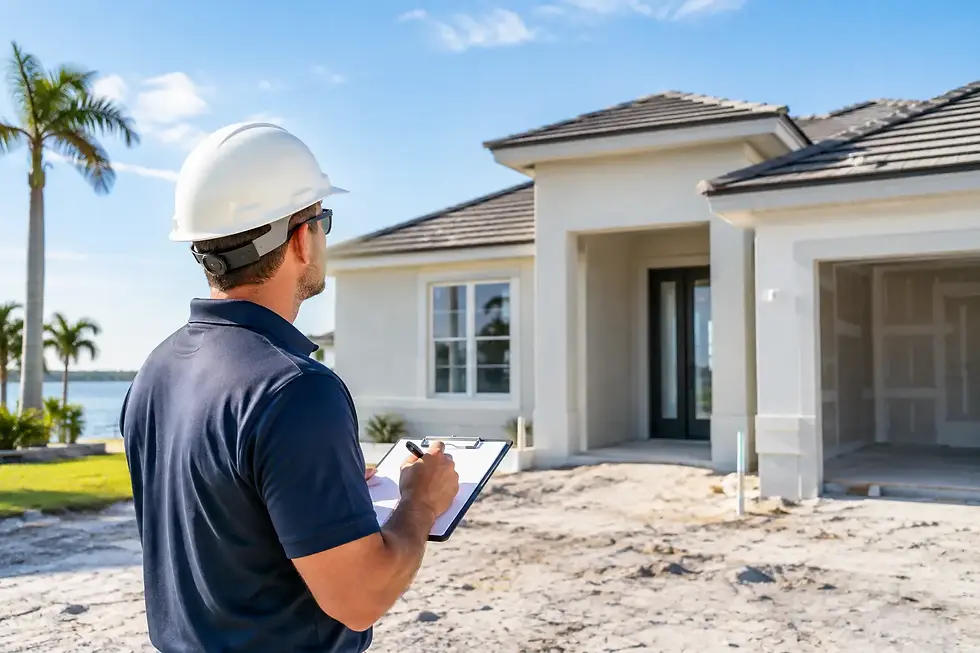
Buying a home is one of the biggest decisions you’ll ever make. I know how exciting it can be to find that perfect place. But before you sign on the dotted line, a thorough home inspection is a must. It’s your best tool to avoid surprises and costly repairs down the road. In Cape Coral, Florida, the unique climate and local building styles mean inspections need a special touch. I want to share some local home inspection tips that will help you feel confident and informed about your property.
Why Local Home Inspection Tips Matter in Cape Coral
Cape Coral is a beautiful place to live, but it comes with its own set of challenges. The hot, humid climate and proximity to water can affect homes in ways you might not expect. For example, moisture can cause hidden mold or wood rot. Termites and other pests are also common here. That’s why a home inspection in Cape Coral isn’t just about checking the basics. It’s about understanding the local environment and how it impacts the home’s condition.
When I inspect homes here, I pay close attention to:
Roof condition and signs of leaks
Plumbing systems and water damage
Electrical wiring and safety
Foundation stability and cracks
Signs of pest infestation, especially termites
These are areas where problems often hide. Knowing what to look for can save you thousands of dollars and a lot of stress.

Essential Local Home Inspection Tips You Should Know
I always tell buyers and homeowners to prepare for their inspection by understanding what’s important locally. Here are some practical tips I recommend:
Check for Roof Damage
The intense Florida sun and storms can wear down roofing materials quickly. Look for missing shingles, rust on metal parts, and signs of water stains inside the attic.
Inspect for Moisture and Mold
High humidity means mold can grow in hidden places like behind walls or under floors. Ask your inspector to use moisture meters and check crawl spaces carefully.
Evaluate the HVAC System
Air conditioning is a must in Cape Coral. Make sure the system is working efficiently and has been maintained regularly. Old or faulty units can lead to high energy bills.
Look for Termite Damage
Termites thrive in this area. Even if the home has been treated, it’s important to check for new activity or damage to wooden structures.
Assess Windows and Doors
Strong winds from storms can damage seals and frames. Check that windows and doors close properly and don’t let in drafts or water.
Review the Electrical Panel
Older homes might have outdated wiring or panels that don’t meet current safety codes. This can be a fire hazard and costly to fix.
By focusing on these areas, you’ll get a clearer picture of the home’s true condition. It’s not just about passing an inspection but understanding what maintenance or repairs might be needed soon.
What is the biggest red flag in a home inspection?
From my experience, the biggest red flag in a home inspection is foundation issues. Cape Coral’s soil and water table can cause shifting or settling that leads to cracks and structural problems. These issues are expensive to repair and can affect the safety and value of the home.
Here’s what I look for:
Large or widening cracks in walls, floors, or the foundation itself
Doors and windows that stick or don’t close properly
Uneven floors or sloping surfaces
Gaps between walls and ceilings
If you spot any of these signs, it’s crucial to get a professional structural engineer involved. Don’t ignore foundation problems or hope they’ll fix themselves. They often get worse over time and can lead to major headaches.

How to Prepare for Your Home Inspection in Cape Coral
Preparation is key to getting the most out of your home inspection. Here’s how I suggest you get ready:
Be Present During the Inspection
If possible, attend the inspection. This lets you ask questions and see issues firsthand.
Gather Maintenance Records
If the seller has records of repairs or upgrades, review them. This helps you understand the home’s history.
Make a List of Concerns
Write down any things you’ve noticed or want the inspector to check closely.
Clear Access Areas
Make sure the inspector can easily access the attic, crawl spaces, electrical panels, and HVAC units.
Plan for a Follow-Up
After the inspection, review the report carefully. Don’t hesitate to ask for clarification or a second opinion if needed.
Taking these steps will help you feel more confident and informed. Remember, a home inspection is your chance to learn everything you can about the property before making a commitment.
Why Choosing the Right Inspector Matters
Not all home inspectors are created equal. In Cape Coral, you want someone who knows the local building codes, climate challenges, and common issues. A good inspector will be thorough, clear, and honest. They should provide a detailed report with photos and explanations you can understand.
When I perform a home inspection cape coral, I focus on giving my clients peace of mind. I want them to feel confident that they’re making a smart investment. If you’re buying or selling a home here, choose an inspector who knows the area well and takes the time to explain everything.
Taking Action After Your Home Inspection
Once you have your inspection report, it’s time to decide what to do next. Here are some steps I recommend:
Prioritize Repairs
Focus on safety issues and major repairs first, like electrical hazards or foundation problems.
Negotiate with the Seller
Use the inspection report to ask for repairs or price adjustments if needed.
Plan for Maintenance
Some issues might not be urgent but should be addressed soon, like HVAC servicing or pest control.
Schedule Follow-Up Inspections
If the report recommends specialists, such as a structural engineer or pest control expert, arrange those inspections promptly.
Taking action based on your inspection results will protect your investment and help you avoid costly surprises later.
I hope these insights help you navigate the home inspection process in Cape Coral with confidence. Remember, a thorough inspection is your best defense against unexpected problems. By focusing on local conditions and working with a trusted inspector, you can make informed decisions and enjoy your new home worry-free.


Comments