

Home Inspection Trends Shaping Florida Buyers

A clean showing and a fresh coat of paint can make a property feel move-in ready. They cannot confirm the condition of the roof covering, reveal moisture behind a wall, or show whether an electrical panel and HVAC system are performing as expected. That is why home inspection trends matter to buyers, sellers, and property owners across Southwest Florida. The inspection process is becoming more detailed, more visual, and more connected to insurance, weather exposure, and long-term ownership costs.
For clients, the biggest shift is not simply more technology. It is better information for making a high-stakes decision. A strong inspection report should help a buyer understand what needs immediate attention, what should be monitored, and what questions to ask before closing.
Home Inspection Trends Changing Buyer Decisions
Insurance-focused documentation is now a priority
In Florida, property condition and insurance considerations often move together. Buyers are increasingly asking about roof age and visible condition, electrical system components, plumbing features, water heater installation, and HVAC equipment before they finalize a purchase. Sellers are also requesting pre-listing inspections so they can identify issues that could complicate a buyer's insurance process or trigger last-minute negotiations.
A 4-point inspection and a wind mitigation inspection serve different purposes from a full home inspection, but each can be important in the right situation. A full inspection provides a broad evaluation of readily accessible systems and components. A 4-point inspection concentrates on four major areas commonly reviewed for insurance: roof, electrical, plumbing, and HVAC. Wind mitigation documentation records qualifying features that may help support insurance-related decisions.
The practical trend is clear: clients want these conversations earlier. Waiting until the final days of a transaction can create pressure for everyone involved. Obtaining the appropriate inspection information promptly gives buyers more time to compare options, discuss findings with qualified contractors, and make informed choices.
Weather resilience is receiving closer attention
Southwest Florida homes face intense sun, heavy rain, wind-driven weather, humidity, and tropical storm exposure. As a result, inspectors and clients are paying closer attention to the building features that help manage water and withstand severe weather.
Roof coverings remain a central concern, but the conversation extends beyond shingles, tile, or metal panels. A thorough inspection considers visible flashing, roof penetrations, drainage conditions, attic observations where accessible, soffits, fascia, exterior wall conditions, windows, doors, and signs of prior water intrusion. Small details can matter. A loose exterior seal, deteriorated caulking, or improperly directed discharge may contribute to moisture problems over time.
This does not mean every imperfection is a deal breaker. Many homes, especially older properties, have maintenance needs that can be planned and budgeted. The value of a detailed inspection is perspective. It helps distinguish routine upkeep from concerns that may require prompt evaluation or repair.
Moisture detection and infrared imaging add useful context
Advanced tools are becoming a standard expectation rather than a special upgrade. Moisture meters, thermal infrared cameras, and drone-mounted cameras can help an inspector gather more information in areas that deserve a closer look.
Thermal imaging can identify temperature differences that may be consistent with missing insulation, air loss, active HVAC concerns, or possible moisture conditions. A moisture meter can help assess whether a suspicious area has elevated moisture content. Drone imagery can provide views of roof surfaces and other elevated areas when conditions allow.
Technology is valuable, but it does not replace experience or sound judgment. An infrared image alone does not identify a cause, and a moisture reading does not always establish how long a condition has existed. A qualified inspector uses these tools alongside visual observations, accessible-system testing, and clear reporting. The best result is evidence that helps the client decide whether further evaluation is warranted.
Detailed Reports Are Becoming Part of the Negotiation Strategy
Buyers no longer want a vague list of defects. They expect clear photos, plain-language descriptions, and an explanation of why a finding matters. That expectation has changed the role of the inspection report. It is not just a transaction document. It is often the buyer's first practical maintenance guide for the property.
A useful report organizes findings by condition and urgency without overstating what can be known during a noninvasive inspection. It should identify safety concerns, material defects, maintenance items, and conditions that merit evaluation by an appropriate licensed specialist. Photographs help buyers who were not present during every part of the inspection understand exactly what was observed.
For sellers, a pre-listing inspection can provide a chance to address known concerns before the home goes on the market. Some sellers choose to complete repairs and keep supporting documentation available. Others prefer to disclose the condition and price accordingly. Either approach can be reasonable, depending on the property's age, market conditions, budget, and the seller's timeline.
The trade-off is straightforward. A pre-listing inspection may uncover issues the seller did not expect, but learning about them early gives the seller more control than discovering them after a buyer is under contract.
New Construction Is Not Inspection-Free
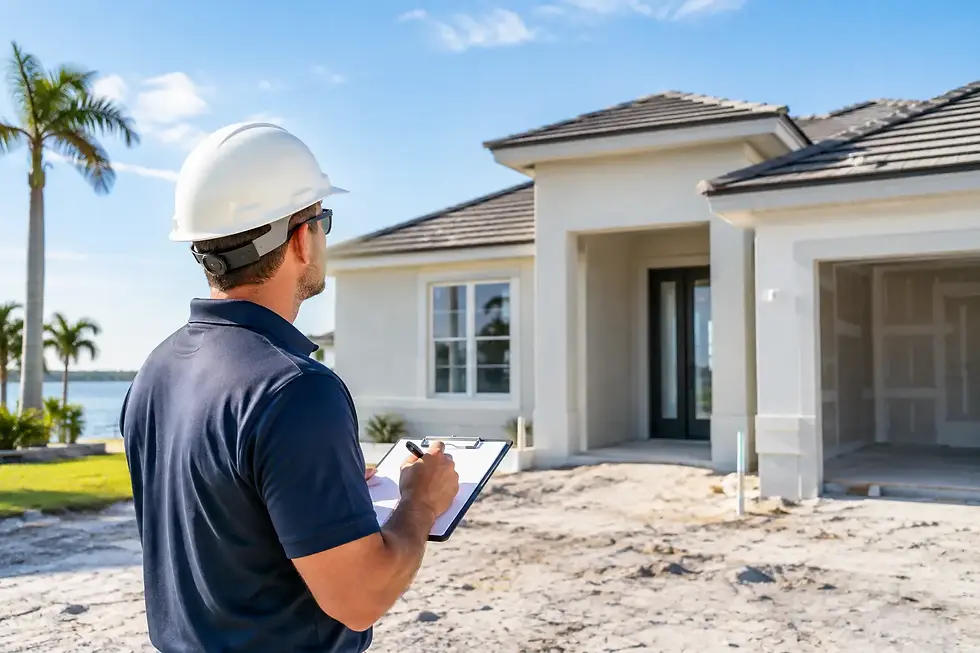
New homes are another major area of interest. A newly built house may have modern materials, current construction standards, and new equipment, but it is still built through a fast-moving process involving multiple trades. Items such as incomplete caulking, drainage grading concerns, improperly installed components, cosmetic damage, or systems that need adjustment can occur.
A new construction inspection is an independent look at readily accessible components before closing. A 12-month warranty inspection can also be valuable before the builder's warranty period expires. Over the first year, normal occupancy may reveal concerns that were not apparent at the initial walkthrough, including door alignment, settlement-related cracks, drainage patterns, or HVAC performance issues.
Buyers should understand the timing requirements in their purchase agreement and builder warranty. Not every builder follows the same schedule or procedure. The key is to plan inspection milestones early rather than trying to coordinate them at the last minute.
Condos, Townhomes, and Multi-Unit Properties Need a Clear Scope
The growing interest in condos, townhomes, duplexes, and other multi-unit properties has also shaped inspection expectations. These properties can involve shared walls, association responsibilities, common roofs, or common mechanical systems. That makes it essential to understand what belongs to the unit owner and what falls under an association or property management structure.
An inspection can evaluate accessible areas within the agreed scope, but it cannot replace a review of association documents, budgets, rules, or maintenance history. Buyers should ask direct questions about recent building work, planned assessments, water management, insurance arrangements, and responsibility for exterior components.
For investors, the inspection should support a broader ownership calculation. A lower purchase price may not be a bargain if significant repairs, deferred maintenance, or recurring association costs are likely. The report provides property-condition evidence, while the buyer's financial review determines whether the investment makes sense.
Communication Matters as Much as the Equipment
Fast report delivery is useful, but speed without clarity does not serve the client. One of the most meaningful home inspection trends is the expectation that inspectors explain findings in practical terms. Clients want to know what was observed, what it may mean, and what a sensible next step looks like.
That is especially valuable for first-time buyers and out-of-state purchasers who may not be familiar with Florida construction methods or local weather conditions. A professional inspector should welcome questions and communicate without creating unnecessary alarm. Homes are complex, and even well-maintained properties will have some imperfections.
At West Coast Home Inspection, the goal is to provide detailed, photo-supported information clients can use with confidence. Thorough field work, advanced tools, and direct communication help turn an inspection from a checklist into a practical decision-making resource.
Whether you are buying a coastal home, preparing a Fort Myers-area property for sale, or approaching a builder warranty deadline, schedule the inspection early enough to use the findings well. Good information has the most value when there is still time to act on it.


Comments