
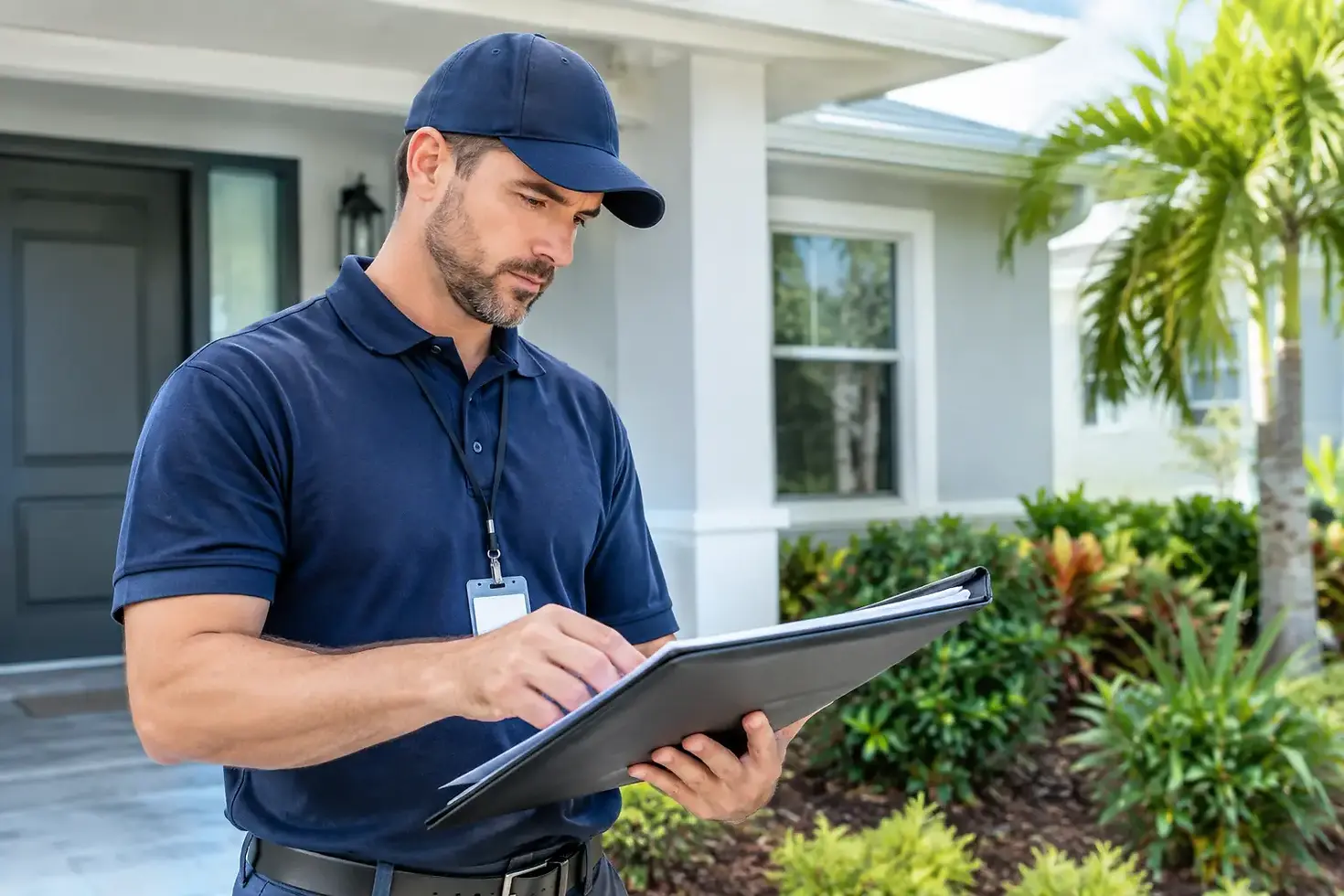
Inspector Credentials Review: What to Check
A home inspection report can influence a purchase decision, contract negotiations, insurance planning, and future repair priorities. That is why an inspector credentials review should happen before you schedule the inspection, not after the report arrives. The right credentials do not guarantee that every home will be problem-free, but they give you a clearer picture of the inspector’s training, accountability, and ability to evaluate the property carefully.
For buyers and property owners in Southwest Florida, this step carries added weight. Heat, humidity, wind exposure, aging roofs, moisture intrusion, and insurance documentation can all affect a home’s condition and ownership costs. You need an inspector who understands those realities and can explain what the findings mean in practical terms.
Why Inspector Credentials Matter Before a Major Purchase
A home inspector is not simply someone who walks through a house with a flashlight. A qualified professional follows an established inspection process, recognizes patterns that may signal larger concerns, documents visible conditions accurately, and communicates findings in a way clients can use.
Credentials are part of that foundation. They show whether an inspector has met licensing requirements, completed professional training, participates in continuing education, and is subject to a code of ethics or standards of practice. They also help you distinguish a full-service inspection professional from someone whose experience or qualifications are unclear.
Still, credentials are only one part of the decision. A newly licensed inspector may have strong training and excellent attention to detail, while an experienced inspector may bring valuable local knowledge. The best choice often combines verified qualifications, hands-on experience, proper insurance coverage, modern tools, and a reporting style that makes sense to you.
Inspector Credentials Review: Start With Florida Licensing
Florida licenses home inspectors through the Department of Business and Professional Regulation. Before hiring an inspector, confirm that the license is active and that the name on the license matches the person or company performing the work.
An active license is a basic checkpoint, not the finish line. It confirms the inspector has met the state’s entry requirements, but it does not tell you how detailed the inspection will be, how clearly the findings will be explained, or whether the inspector has experience with your type of property.
Ask who will be on site. Some companies have multiple inspectors, and the credentials of the individual assigned to your home matter. If you are buying a condo, manufactured home, duplex, or recently built property, ask whether the inspector regularly handles that kind of inspection. Property type changes the scope of what deserves close attention.
Look for Meaningful Professional Certifications
Professional certifications can indicate additional education and commitment beyond the state minimum. Certifications should be easy to verify and connected to organizations with clear standards, continuing education expectations, and ethical requirements.
For example, a Certified Professional Inspector designation through InterNACHI reflects completion of training and adherence to that organization’s standards. A Certified Master Inspector designation represents a higher level of education, experience, and professional achievement. These credentials do not replace sound judgment at the property, but they can demonstrate that an inspector has invested in ongoing professional development.
When reviewing certifications, focus less on the number of logos displayed and more on what each designation requires. A credible inspector should be comfortable explaining their qualifications in plain language. If the explanation feels vague, or a credential cannot be verified, treat that as a reason to ask more questions.
Experience Should Match the Home and the Market
Experience matters most when it is relevant. An inspector who understands common Southwest Florida construction methods and weather-related concerns can provide useful context without overstating a finding.
For instance, a thorough inspection of a Florida home may require close attention to the roof covering, attic conditions, exterior openings, electrical components, cooling systems, visible plumbing, drainage, and signs of moisture. In coastal and high-wind areas, details related to wind mitigation and insurance documentation can be particularly valuable to homeowners.
Ask how long the inspector has been working in residential inspections and what types of properties they inspect most often. You do not need an inspector who claims to know everything. You need one who knows the limits of a visual inspection, recognizes when a condition calls for further evaluation by a qualified specialist, and clearly identifies those next steps in the report.
Confirm Insurance and Professional Accountability
An inspector should carry appropriate business insurance. Ask whether the company has general liability insurance and errors and omissions coverage, often called E&O insurance. These policies serve different purposes, and coverage details can vary, so it is reasonable to ask for confirmation.
Professional accountability also shows up in the inspection agreement. Read it before the appointment. A clear agreement should explain the scope of the inspection, the standards followed, what is and is not included, payment terms, report delivery expectations, and limitations of a visual inspection.
No inspection can see behind finished walls, predict exactly when a component will fail, or guarantee future performance. A trustworthy inspector will set realistic expectations rather than make promises no professional can keep. Clear boundaries are not a weakness. They are part of honest service.
Ask How the Inspector Documents Findings
A detailed report is where credentials and fieldwork become useful to the client. Before booking, ask to see a sample report with personal information removed. Look for clear photos, specific descriptions of observed conditions, locations for each finding, and language that helps you understand the significance of the issue.
A strong report separates routine maintenance items from conditions that may require timely attention. It should be organized enough for you, your real estate agent, and qualified repair professionals to locate the concerns quickly. Reports filled with generic wording can make negotiation and repair planning more difficult.
Turnaround time matters as well. Real estate contracts often move quickly, but speed should not come at the expense of accuracy. Ask when you can expect the completed report and whether the inspector is available afterward to answer questions. The inspection appointment is important, but the conversation after you have read the report can be just as valuable.
Technology Is Helpful When It Supports Careful Inspection
Inspection technology can provide additional information when used correctly. Moisture detection equipment, thermal infrared cameras, and drone-mounted cameras can help an inspector assess areas that may be difficult to evaluate from the ground or with a visual review alone.
Technology is not a substitute for professional judgment. A thermal image, for example, may identify a temperature difference that needs further investigation, but it does not diagnose the cause by itself. The value comes from an inspector who knows how to use the tools, interpret the results, and document findings responsibly.
Ask whether technology is included when it is appropriate for the inspection. At West Coast Home Inspection, advanced tools are used to support a thorough evaluation without adding unnecessary charges for standard use. The goal is simple: provide clearer information about the home so clients can make decisions with greater confidence.
Questions Worth Asking Before You Schedule
A short conversation can reveal a great deal about an inspector’s professionalism. Ask whether the inspector is licensed in Florida, what certifications they maintain, and whether they regularly inspect homes like the one you are considering. Ask about insurance coverage, reporting timeframes, and the tools they use during an inspection.
You should also ask whether you are encouraged to attend the inspection. While attendance is not required, being present near the end of the appointment can give you an opportunity to hear the major findings directly and ask practical questions about maintenance, repairs, and next steps.
Pay attention to how the inspector responds. Clear, direct answers usually reflect a process built around client communication. Pressure tactics, guarantees that sound too broad, or reluctance to discuss qualifications deserve more scrutiny.
A careful credentials review takes only a little time, yet it can protect a decision that will affect you for years. Choose an inspector who can show their qualifications, explain their process, and give you a report that helps you move forward with clarity.


Comments