
Cape Coral Home Inspection Services That Find More
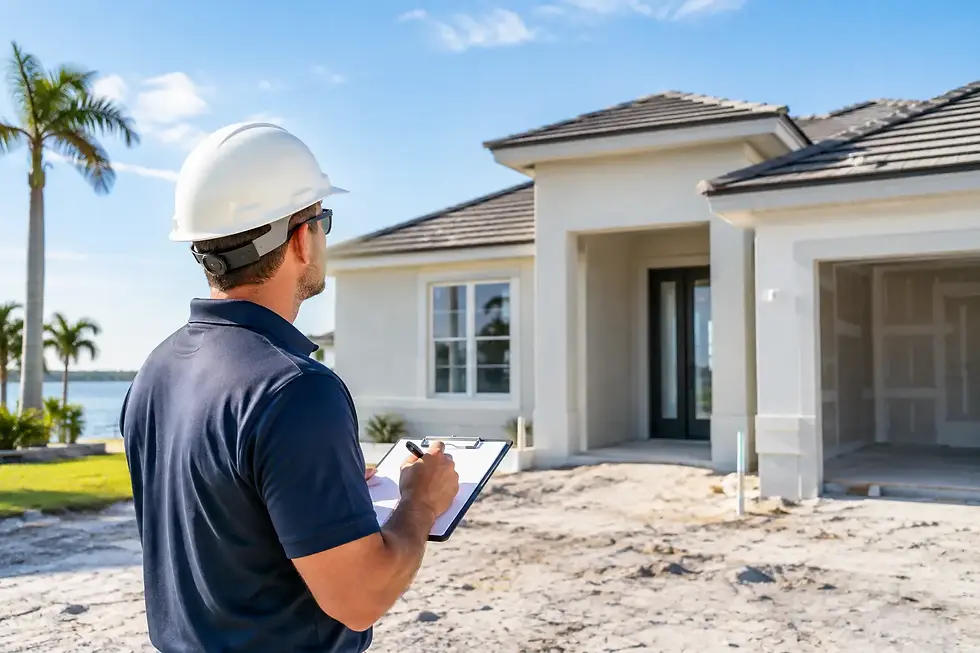
A Cape Coral property can look move-in ready while hiding moisture intrusion behind a wall, aging components in the attic, or storm-related wear on the roof. Cape Coral home inspection services give buyers, sellers, and property owners a clear picture of the home’s condition before a major decision is made. The goal is not to create unnecessary concern. It is to identify material conditions, explain what they mean, and provide documented information you can use.
For Southwest Florida homes, a thorough inspection must account for more than cosmetic condition. Heat, heavy rain, high humidity, wind exposure, and the demands of the insurance market all affect how a property should be evaluated. A detailed inspection helps replace assumptions with practical facts.
What Cape Coral Home Inspection Services Should Cover
A residential inspection is a visual, non-invasive assessment of readily accessible systems and components. The inspector examines the home’s structure, exterior, roof, plumbing, electrical system, heating and cooling equipment, interior, insulation, ventilation, doors, windows, and built-in appliances where applicable.
The value comes from looking at how these areas work together. A ceiling stain, for example, may be old and dry, or it may point to an active roof or plumbing concern. An electrical panel may appear orderly but contain components that need further evaluation. A properly documented report puts observations in context so clients can prioritize the next step.
In Cape Coral, particular attention often goes to roof condition, exterior openings, drainage, air-conditioning performance, attic ventilation, visible plumbing connections, and signs of moisture. These are not minor details in a coastal Florida market. They can affect safety, maintenance planning, purchase negotiations, insurance documentation, and long-term ownership costs.
Why Local Conditions Change the Inspection Conversation
Florida homes experience conditions that can shorten the service life of materials or expose weaknesses more quickly than in other regions. Sun and wind can affect roofing materials, seals, exterior finishes, and window components. Humidity can reveal itself through staining, condensation, microbial growth indicators, or elevated moisture readings in areas that look normal at first glance.
That does not mean every older component is a problem. Age alone is not a diagnosis. A system may be older but operating as intended, while a newer installation may show workmanship concerns. A professional inspection distinguishes visible conditions from speculation and identifies where a qualified contractor’s evaluation may be appropriate.
Insurance requirements also shape the decisions homeowners make. A 4-point inspection focuses on four major systems: roofing, electrical, plumbing, and heating and cooling. A wind mitigation inspection documents certain construction features that may support insurance eligibility. These are distinct services with specific purposes, and they are often requested alongside a full home inspection rather than in place of one.
The Right Inspection Depends on Your Situation
A buyer needs information before the inspection period closes. A seller needs a realistic understanding of the property before it reaches the market. A homeowner nearing the end of a builder warranty has a different set of priorities. The inspection should match the decision in front of you.
Pre-Purchase Inspections
A pre-purchase inspection helps buyers understand the property beyond a showing-day impression. It can identify visible deficiencies, deferred maintenance, safety concerns, and components that may require repair or further review. The report can also help a buyer have a more informed conversation with their real estate professional and seller.
No inspection can predict every future repair or see through finished walls and ceilings. Still, a careful evaluation dramatically improves the quality of the decision by documenting what is visible and accessible at the time of the inspection.
Pre-Listing Inspections
Sellers can benefit from knowing about material conditions before a buyer’s inspector finds them. A pre-listing inspection provides an opportunity to address selected repairs, gather estimates, or price the home with better information. It can also reduce last-minute surprises during contract negotiations.
There is a trade-off. Some sellers prefer not to spend money on repairs before listing, especially when the home will be sold as-is. Even in that case, knowing the condition of key systems can help set appropriate expectations and support a smoother transaction.
New Construction and Warranty Inspections
A newly built home should still be inspected. New construction can have incomplete items, installation defects, damaged components, or performance concerns that become easier to identify before closing. A 12-month warranty inspection can also document issues that developed after move-in while the builder warranty may still apply.
These inspections are not about expecting perfection. They are about holding the finished home to a reasonable standard of workmanship and helping the homeowner communicate concerns clearly.
Condos, Townhomes, and Multi-Unit Properties
Condo and townhouse inspections require careful attention to the boundaries between an individual unit and common elements maintained by an association. The scope may depend on access, governing documents, and what systems serve the unit directly. Buyers should understand which items are their responsibility and which may be managed by the association.
For duplexes and other multi-unit properties, each accessible unit and its associated systems need to be considered. An investor evaluating a property should look beyond appearance to maintenance patterns, electrical capacity, plumbing condition, roof age and performance, and signs of moisture that could affect both livability and operating costs.
Technology Helps Inspectors See More Clearly
A detailed inspection is driven by training and judgment, but technology can strengthen the process. Moisture detection tools can help identify elevated moisture in areas where staining or other conditions suggest a concern. Thermal infrared cameras may reveal temperature differences that warrant closer evaluation, such as potential moisture patterns or insulation irregularities.
Drone-mounted cameras can provide a clearer view of roof areas that are not safely accessible from the roof surface. This is especially useful on steep roofs, fragile coverings, or properties where access is limited. Technology is not a substitute for inspection expertise, and an image alone does not diagnose a defect. It is a valuable tool for gathering better evidence and documenting observations.
West Coast Home Inspection includes advanced tools such as thermal imaging, moisture detection, and drone camera use when appropriate, without adding separate technology fees. The focus remains on providing useful information, not creating a report filled with unexplained images.
What a Strong Inspection Report Should Give You
A report should be more than a checklist with a long list of defects. It should be organized, photo-documented, and written in plain language. Clients need to know what was observed, where it was observed, why it matters, and what type of follow-up may be warranted.
The most useful reports also help establish priorities. Safety concerns and active moisture conditions generally deserve prompt attention. Other items may be maintenance issues to plan for over time. A clear distinction between these categories helps clients focus on the decisions that matter most instead of treating every notation as equally urgent.
Fast turnaround matters, particularly during a real estate transaction, but speed should not reduce clarity. Buyers and sellers often need time to read the report, ask questions, and coordinate with their real estate professionals. Communication after the inspection is part of the service, not an afterthought.
Choosing an Inspector You Can Trust
Credentials, experience, communication, and local knowledge should all factor into the decision. A Certified Master Inspector and Certified Professional Inspector brings recognized training and professional standards to the process. Just as important, the inspector should be willing to explain findings directly and provide practical context without pressure or exaggeration.
A veteran-owned inspection company brings an additional expectation of discipline, accountability, and follow-through. Those qualities matter when clients are making a purchase that may shape their finances and daily life for years.
Before scheduling, confirm the inspection type you need, ask what areas and systems are included, and make sure you understand the expected report timing. If insurance documentation is part of the process, discuss whether a 4-point or wind mitigation inspection is also needed.
The best time to learn about a home’s visible condition is before a deadline forces a rushed decision. A careful inspection gives you the facts, the documentation, and the confidence to move forward with a clearer understanding of the property.


Comments